
Automating Solar Production with Robotics and Advanced Imaging
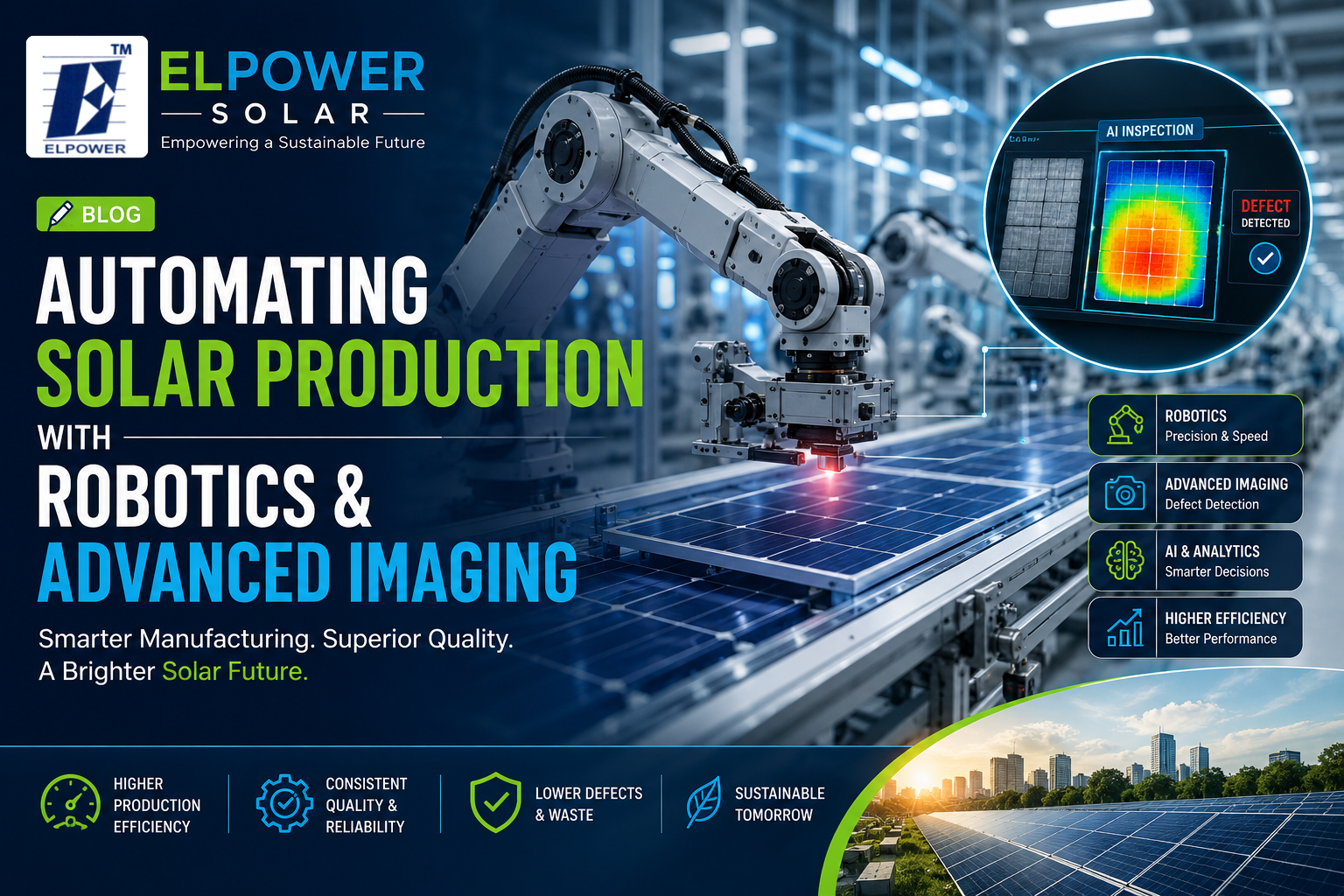
Automating Solar Production with Robotics and Advanced Imaging
The global solar industry is expanding at an unprecedented pace. As countries accelerate their transition toward renewable energy, the demand for high-quality solar panels has skyrocketed. Governments, businesses, and homeowners are investing heavily in clean energy solutions, pushing solar manufacturers to produce panels faster, smarter, and more efficiently than ever before.
However, traditional manufacturing methods are no longer enough to meet this growing demand. Solar companies now require intelligent production systems that improve efficiency, reduce waste, and maintain exceptional quality standards. This is where automating solar production through robotics and advanced imaging technologies is transforming the industry.
From robotic assembly lines to AI-powered quality inspection systems, modern solar factories are becoming smarter and more autonomous. Technologies such as machine vision, thermal imaging, and robotic solar panel inspection are helping manufacturers deliver reliable and high-performing solar panels at scale.
As a forward-thinking renewable energy company, ELPOWER SOLAR recognizes the importance of innovation in shaping the future of clean energy. The rise of solar automation technology is not only improving manufacturing efficiency but also accelerating global solar adoption.
What Is Automated Solar Production?
Automated solar production refers to the use of robotics, artificial intelligence, machine vision, sensors, and smart software systems to streamline the manufacturing of solar panels and solar components.
In modern solar factories, machines handle tasks that were once performed manually. These systems work together to optimize production processes, maintain consistent quality, and reduce manufacturing errors.
Key Technologies Used in Smart Solar Manufacturing
- Industrial robotics
- AI-powered analytics
- Machine vision systems
- Automated conveyor systems
- Real-time monitoring software
- Advanced imaging technologies
- Predictive maintenance tools
Automation enables solar manufacturers to produce large volumes of panels with greater precision and consistency. It also allows factories to operate continuously with minimal downtime, improving scalability for rising market demand.
As the future of solar manufacturing evolves, automated solar factories are becoming essential for maintaining competitiveness in the renewable energy sector.
Role of Robotics in Solar Panel Manufacturing
Robotics in solar manufacturing has revolutionized how solar panels are assembled, inspected, and packaged. Industrial robots are now capable of performing highly precise and repetitive tasks with incredible speed and accuracy.
Robotic Arm Assembly
Robotic arms are commonly used in solar factories to assemble delicate solar components. These robots can precisely position cells, align modules, and handle fragile materials without causing damage.
Automated Wafer Handling
Solar wafers are extremely thin and sensitive. Manual handling increases the risk of breakage and contamination. Automated wafer-handling robots safely transport wafers throughout the production line while maintaining precision and cleanliness.
Precision Cell Placement
Modern robotic systems ensure exact placement of photovoltaic cells within solar panels. This precision improves energy efficiency and reduces electrical losses.
Robotic Soldering and Welding
Automated soldering systems create highly accurate electrical connections between solar cells. Robotic welding improves durability and consistency while minimizing manufacturing defects.
Automated Material Transportation
Smart conveyor systems and robotic vehicles move materials efficiently across production lines. This reduces delays and increases workflow efficiency.
Smart Packaging Systems
Robotic packaging systems carefully pack finished solar panels for transportation while minimizing damage risks during shipping.
Benefits of Robotics in Solar Manufacturing
- Faster production speed
- Reduced human error
- Improved worker safety
- Better manufacturing precision
- Lower operational costs
- Higher consistency in product quality
According to global industrial automation trends, robotic installations in manufacturing industries continue to rise rapidly as companies seek smarter and more efficient production methods. The solar industry is one of the fastest adopters of these advanced technologies.
Advanced Imaging Technologies in Solar Manufacturing
One of the most important innovations in the solar industry is the use of advanced imaging in solar industry operations. Imaging technologies help manufacturers identify defects that may not be visible to the human eye.
These systems ensure that solar panels meet strict performance and durability standards before reaching customers.
Infrared Imaging
Infrared imaging detects temperature variations within solar cells and modules. Hotspots and irregular thermal patterns often indicate electrical defects or poor connections.
Thermal Imaging
Thermal cameras monitor panel temperatures during production and testing. This technology helps identify hidden issues that could reduce panel efficiency over time.
Electroluminescence (EL) Testing
EL testing is one of the most advanced quality inspection methods used in solar manufacturing. It captures detailed images of solar cells under electrical current to detect:
- Microcracks
- Broken cells
- Soldering issues
- Cell misalignment
- Structural weaknesses
Machine Vision Systems
Machine vision in solar panels uses high-speed cameras and AI software to inspect components in real time. These systems automatically detect manufacturing defects and ensure precise assembly.
AI-Powered Defect Detection
Artificial intelligence can analyze thousands of images within seconds to identify anomalies that human inspectors may miss. This significantly improves inspection accuracy and consistency.
Real-Time Quality Monitoring
Advanced imaging systems continuously monitor production quality during manufacturing. Real-time feedback allows factories to correct issues immediately, reducing waste and rework.
Why Imaging Technologies Matter
- Improve panel reliability
- Extend product lifespan
- Reduce warranty claims
- Enhance energy performance
- Increase customer confidence
As solar panels are expected to operate for over 25 years, quality inspection is critical to long-term performance.
Benefits of Automation in the Solar Industry
The adoption of solar automation technology provides major operational and financial advantages for manufacturers and solar companies.
Increased Manufacturing Efficiency
Automated systems can operate continuously with minimal interruption, significantly improving production output.
Faster Production Cycles
Robotic manufacturing reduces production time while maintaining consistent quality standards.
Reduced Waste and Defects
AI-powered inspection systems identify problems early, minimizing defective products and material waste.
Lower Production Costs
Although automation requires initial investment, long-term operational costs decrease through reduced labor expenses and improved efficiency.
Higher Energy Output Quality
Precision manufacturing improves solar panel performance and energy generation capabilities.
Better Scalability
Automation allows manufacturers to quickly scale production to meet increasing global demand.
Improved Sustainability
Efficient manufacturing processes reduce energy consumption, material waste, and environmental impact.
In today’s highly competitive renewable energy market, automation helps solar companies maintain profitability while delivering high-quality products.
AI and Smart Data Analytics in Solar Production
Artificial intelligence is becoming a core component of AI in solar panel production. Modern factories use AI-driven analytics to optimize every stage of manufacturing.
Predictive Maintenance
AI systems monitor equipment performance and predict maintenance needs before failures occur. This reduces downtime and increases operational efficiency.
Production Forecasting
Smart analytics tools help manufacturers predict demand and optimize inventory management.
Quality Assurance
AI-powered software continuously analyzes production data to maintain high quality standards.
Process Optimization
Machine learning algorithms identify inefficiencies and recommend improvements for faster production and lower waste.
Equipment Monitoring
Sensors and smart software monitor robotic systems in real time to ensure smooth operations.
These innovations are part of the broader Industry 4.0 movement, where smart factories use connected devices, automation, and data analytics to create intelligent manufacturing environments.
The rise of AI-powered solar systems is expected to reshape the future of renewable energy production worldwide.
Challenges of Solar Manufacturing Automation
Despite its advantages, automating solar production also comes with challenges.
High Initial Investment
Advanced robotics and imaging systems require substantial upfront capital investment.
Skilled Workforce Requirements
Companies need trained professionals to manage, maintain, and optimize automated systems.
Integration Complexity
Integrating robotics with existing manufacturing infrastructure can be technically challenging.
Maintenance of Robotic Systems
Automated systems require regular maintenance and software updates to ensure optimal performance.
Rapid Technological Changes
Manufacturers must continuously adapt to evolving technologies and industry standards.
However, despite these challenges, the long-term benefits of automation far outweigh the initial difficulties. Companies that embrace innovation are better positioned for long-term growth and competitiveness.
The Future of Robotics and Imaging in Solar Energy
The future of solar manufacturing innovation is incredibly exciting. Emerging technologies are pushing the industry toward fully autonomous solar factories.
Autonomous Solar Factories
Future factories may operate with minimal human intervention using AI-driven robotics and intelligent production systems.
Drone-Based Inspections
Drones equipped with thermal imaging cameras are increasingly being used for solar farm inspections and maintenance.
Smart Robotic Maintenance
Autonomous maintenance robots can identify and repair issues in manufacturing systems and solar installations.
Digital Twins
Digital twin technology creates virtual models of manufacturing systems for real-time simulation and optimization.
Real-Time Factory Monitoring
Advanced IoT sensors and cloud-based analytics enable complete visibility into production operations.
As renewable energy demand continues to rise globally, automation will play a critical role in increasing production efficiency and accelerating clean energy adoption.
How ELPOWER SOLAR Supports Modern Solar Innovation
At the forefront of sustainable energy transformation, ELPOWER SOLAR is committed to delivering advanced and reliable solar solutions for homes, businesses, and industries across India.
By embracing modern solar technologies and industry innovation, ELPOWER SOLAR supports the transition toward smarter and more efficient renewable energy systems.
ELPOWER SOLAR Focuses On
- High-quality solar installations
- Smart solar adoption
- Sustainable energy innovation
- Efficient rooftop solar solutions
- Commercial solar installation services
- Reliable solar maintenance support
- Energy-efficient solar technologies
As automation and AI continue transforming the solar sector, ELPOWER SOLAR remains dedicated to helping customers access future-ready clean energy solutions.
Whether you are a homeowner exploring rooftop solar or a business seeking commercial solar systems, ELPOWER SOLAR offers customized energy solutions designed for long-term performance and sustainability.
Conclusion
The integration of robotics, AI, and advanced imaging technologies is redefining the solar industry. From automated assembly lines to intelligent defect detection systems, automating solar production is making solar manufacturing faster, smarter, and more reliable.
These innovations are improving production efficiency, reducing costs, enhancing product quality, and accelerating renewable energy adoption worldwide.
As the world moves toward a cleaner and more sustainable future, technologies such as robotics in solar manufacturing, machine vision, and AI-powered automation will become essential pillars of modern solar production.
Companies like ELPOWER SOLAR are helping drive this transformation by promoting innovative and efficient solar solutions that support long-term sustainability goals.
Frequently Asked Questions (FAQs)
1. What is automated solar production?
Automated solar production uses robotics, AI, machine vision, and smart manufacturing systems to streamline solar panel manufacturing and improve efficiency.
2. How does robotics improve solar manufacturing?
Robotics increases production speed, reduces human error, improves precision, enhances safety, and lowers operational costs in solar factories.
3. What is advanced imaging in the solar industry?
Advanced imaging includes technologies like thermal imaging, infrared imaging, electroluminescence testing, and machine vision systems used for solar quality inspection.
4. How does AI help in solar panel production?
AI improves predictive maintenance, quality assurance, process optimization, defect detection, and production forecasting in solar manufacturing.
5. What is the future of solar manufacturing?
The future includes autonomous solar factories, AI-driven manufacturing, drone inspections, digital twins, and real-time smart factory monitoring.